
Journal
Notes from Chinese fairs and factories: what we see, what we check and what it means for buyers abroad.
Hybrid inverters for business: how to choose one
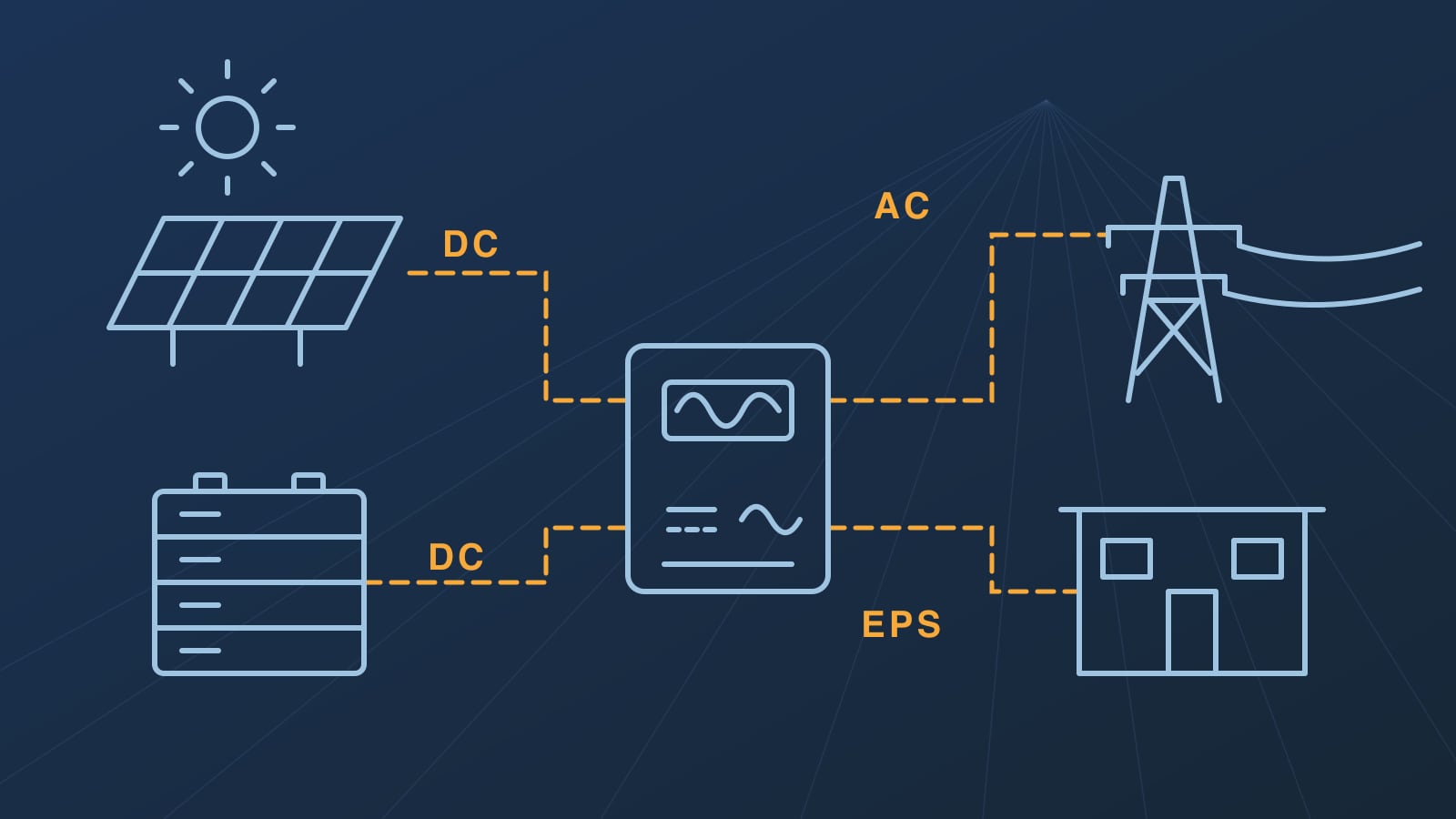
A hybrid inverter is the one box that connects solar panels, a battery and the grid: it turns solar DC into AC, charges and discharges the battery, feeds the building and keeps a backup circuit alive when the grid fails. A shop, a clinic, an office, a farm or a small workshop usually needs from a few to a few tens of kilowatts — but the model must match your supply, your loads, your panels and your country's connection rules. Here is what to check before you order, with the rules and standards checked in November 2026.
Read →
How to import equipment from China to Brazil: taxes, ANATEL, INMETRO and the 2027 tax reform
Brazil has no free trade agreement with China, and its import taxes stack up: the import duty (II), the excise tax on industrialised products (IPI), the PIS and Cofins contributions on imports, the state ICMS — which is calculated on a base that includes itself — and, by sea, an 8% surcharge on the freight. For the products in this guide, duty ranges from 0% for industrial robots to 25% for lithium-ion batteries and solar modules. Devices with Wi‑Fi or Bluetooth need ANATEL approval before they are imported for sale, and solar equipment needs INMETRO registration. From January 2027 the tax reform replaces PIS and Cofins with the new CBS. Here is what a company importing equipment from China should check.
Read →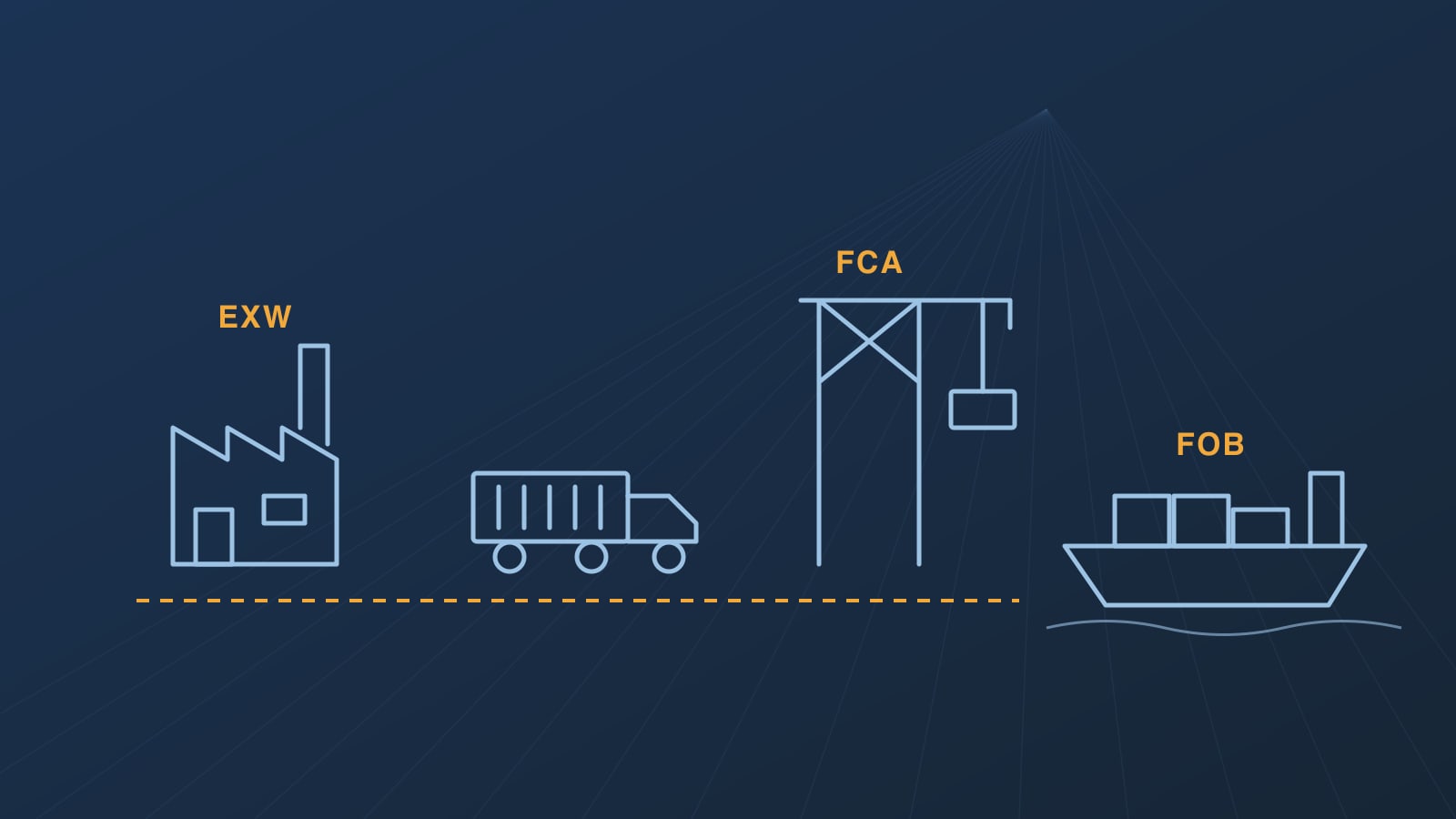
Incoterms® rules when buying from China: EXW, FCA, FOB or CIF — which to choose
A quote from a Chinese factory usually names a trade term: EXW, FOB, CIF or another of the Incoterms® rules of the International Chamber of Commerce (ICC). The rule decides who arranges and pays for transport, who clears the goods for export and import, and where the risk of loss or damage passes from the seller to you; under CIF and CIP it also obliges the seller to insure the goods. It does not decide when you become the owner of the goods or how and when you pay. For most orders from China, the practical choices are FCA at a forwarder's warehouse or a container terminal, or FOB at a Chinese seaport. EXW leaves Chinese export clearance to you, and under CIF the factory chooses the carrier and the insurance while the sea voyage is at your risk. Here is how the main rules work under Incoterms® 2020 and what to agree with the factory.
Read →
Media facades and LED mesh screens: how to choose one, what Chile's light-pollution and advertising rules require and what to ask the factory
A media facade turns the outside of a building into a screen or a light show. Three common technologies are LED mesh screens, linear and pixel lights, and grille screens. They differ in resolution, weight, power and the kind of content they can show. Before ordering one for Chile, check two sets of rules. The light-pollution standard DS 1/2022 requires advertising and decorative lighting to be switched off between midnight and 7:00, and since 19 October 2026 new installations anywhere in the country must meet all of its limits (in special protection areas — Áreas de Protección Especial — which include most communes of the Antofagasta, Atacama and Coquimbo regions, since 19 October 2024). The advertising law 21.473 allows only still images on electronic advertising screens that can be seen from public roads and spaces. Here is how to choose, what the rules say and what to ask the factory.
Read →
Peru–China free trade agreement upgrade takes effect on 1 November 2026: what changes for importers
The protocol upgrading the Peru–China free trade agreement, signed in Lima on 14 November 2024, enters into force on 1 November 2026 (Supreme Decree No. 012-2026-MINCETUR, published in El Peruano on 27 October 2026). It rewrites or amends seven chapters of the agreement in force since 2010 and adds five new ones. The preferential duty rates for goods from China do not change. For importers, the changes are in the rules and paperwork for origin and customs — and much of the familiar procedure stays as it was. Here is what to know before your next shipment from China to Peru.
Read →
Interactive flat panels for classrooms: how to choose one and what it costs
An interactive flat panel replaces the whiteboard, the projector and the classroom computer: teachers write over their lessons, students share their screens, and Google apps run on the panel itself. Prices differ widely between models, and the cheapest panels often come without Google certification, a real warranty or spare parts. Here is what to check before buying — with prices checked in October 2026.
Read →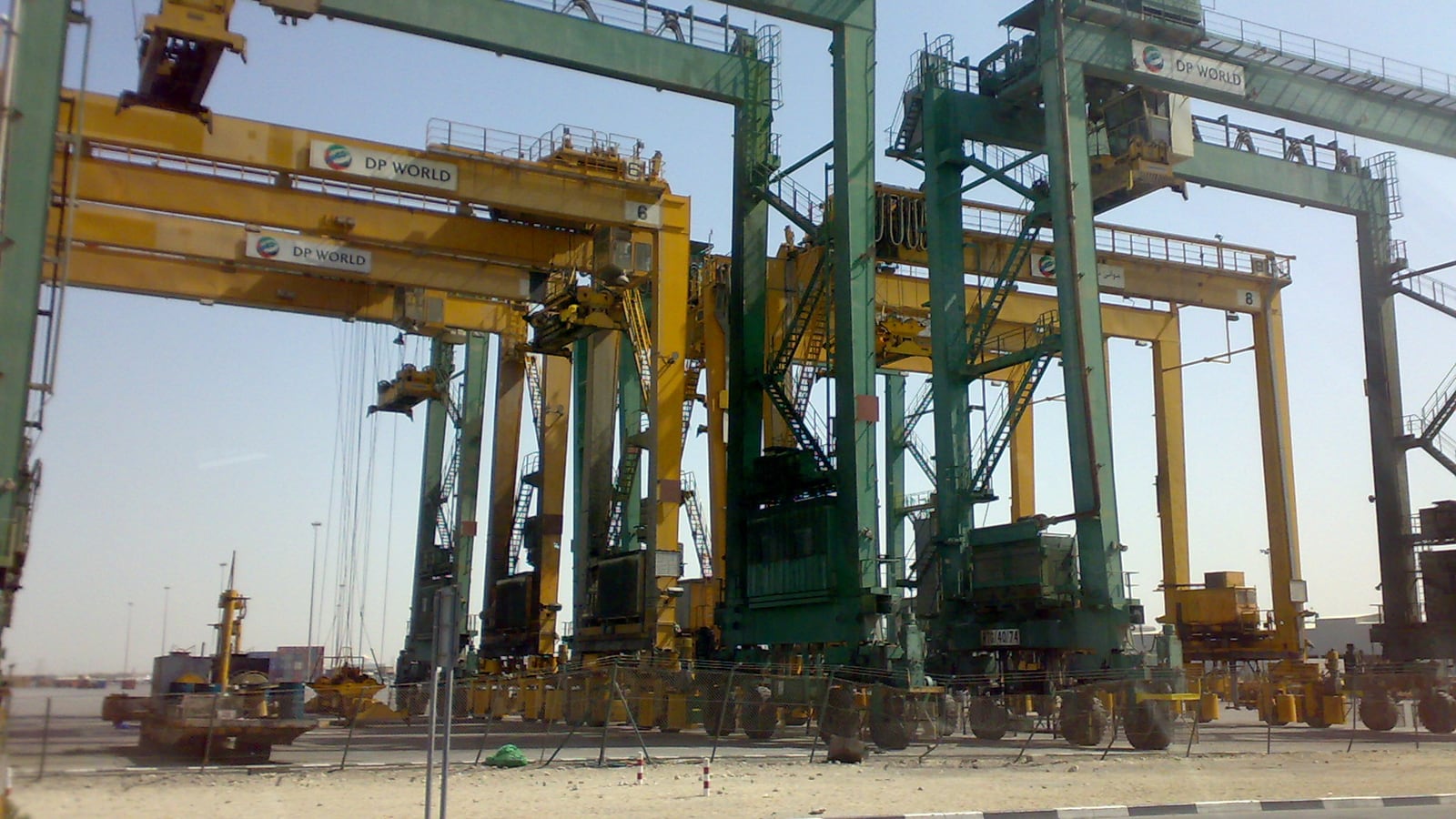
How to import equipment from China to the UAE: taxes, ECAS and TDRA approvals, documents
The United Arab Emirates applies the Gulf Cooperation Council's common customs tariff: computers and most other IT equipment come in duty-free, and VAT is 5%. What takes planning is approvals. Electrical and electronic products need a conformity certificate under the Emirates Conformity Assessment Scheme (ECAS) of the Ministry of Industry and Advanced Technology, devices with Wi‑Fi, Bluetooth or mobile modules need type approval from TDRA, the telecoms regulator, and invoices for AED 10,000 or more are attested by the Ministry of Foreign Affairs. Here is what a company in the UAE pays and prepares when it buys equipment from a Chinese factory — checked against official sources in October 2026.
Read →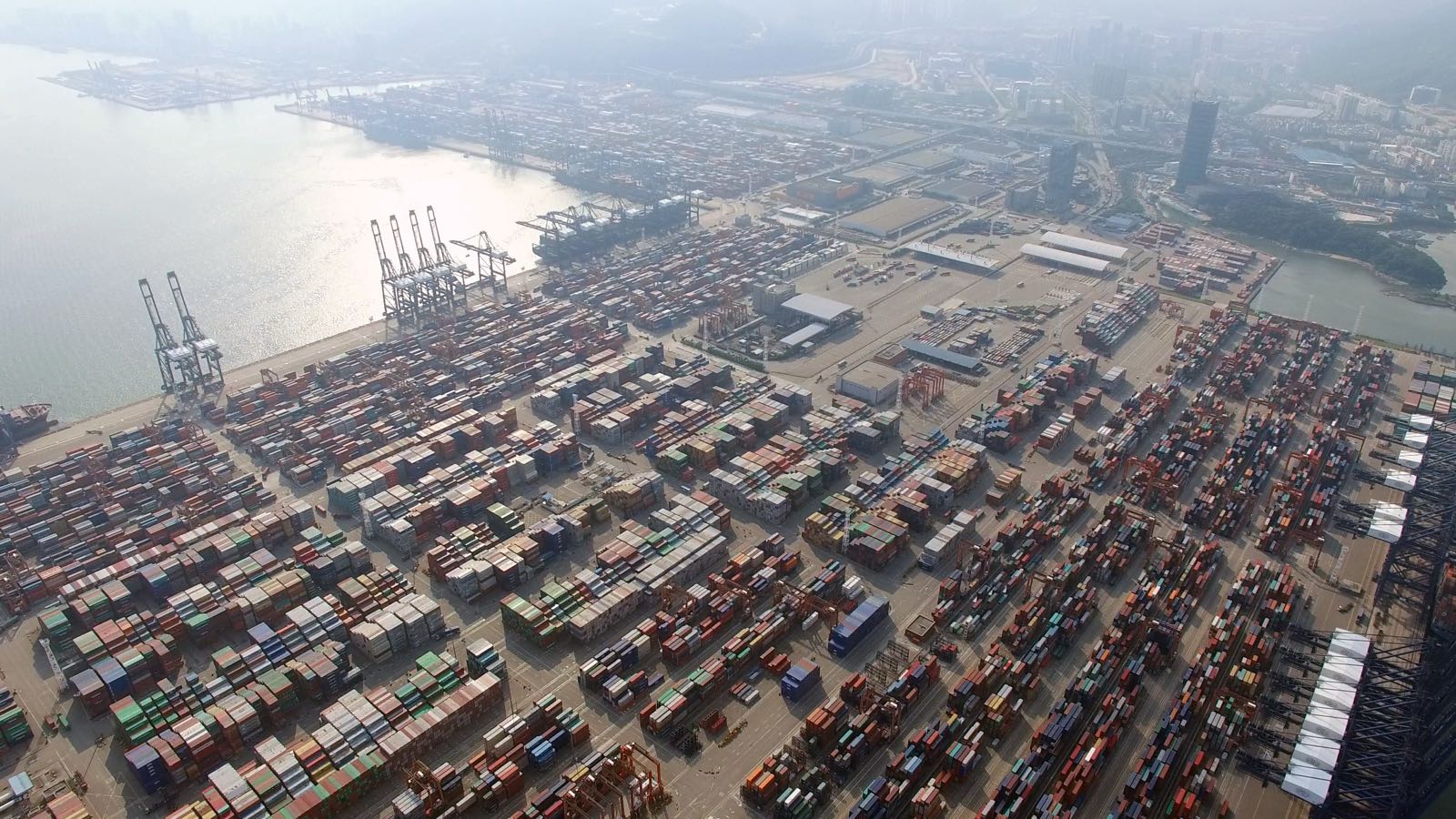
China ends the export VAT rebate on batteries from 1 January 2027: what it means for buyers of battery storage and UPS
China's Ministry of Finance and State Taxation Administration cut the export VAT rebate on batteries from 9% to 6% for April to December 2026 and cancel it from 1 January 2027 (Announcement No. 2 of 2026, dated 8 January 2026). Lithium-ion batteries are on the list. For anyone buying battery storage, rack batteries or battery packs from China, the last quarter of 2026 is the last one with the rebate. Here is what changes, what does not, and what to ask your supplier.
Read →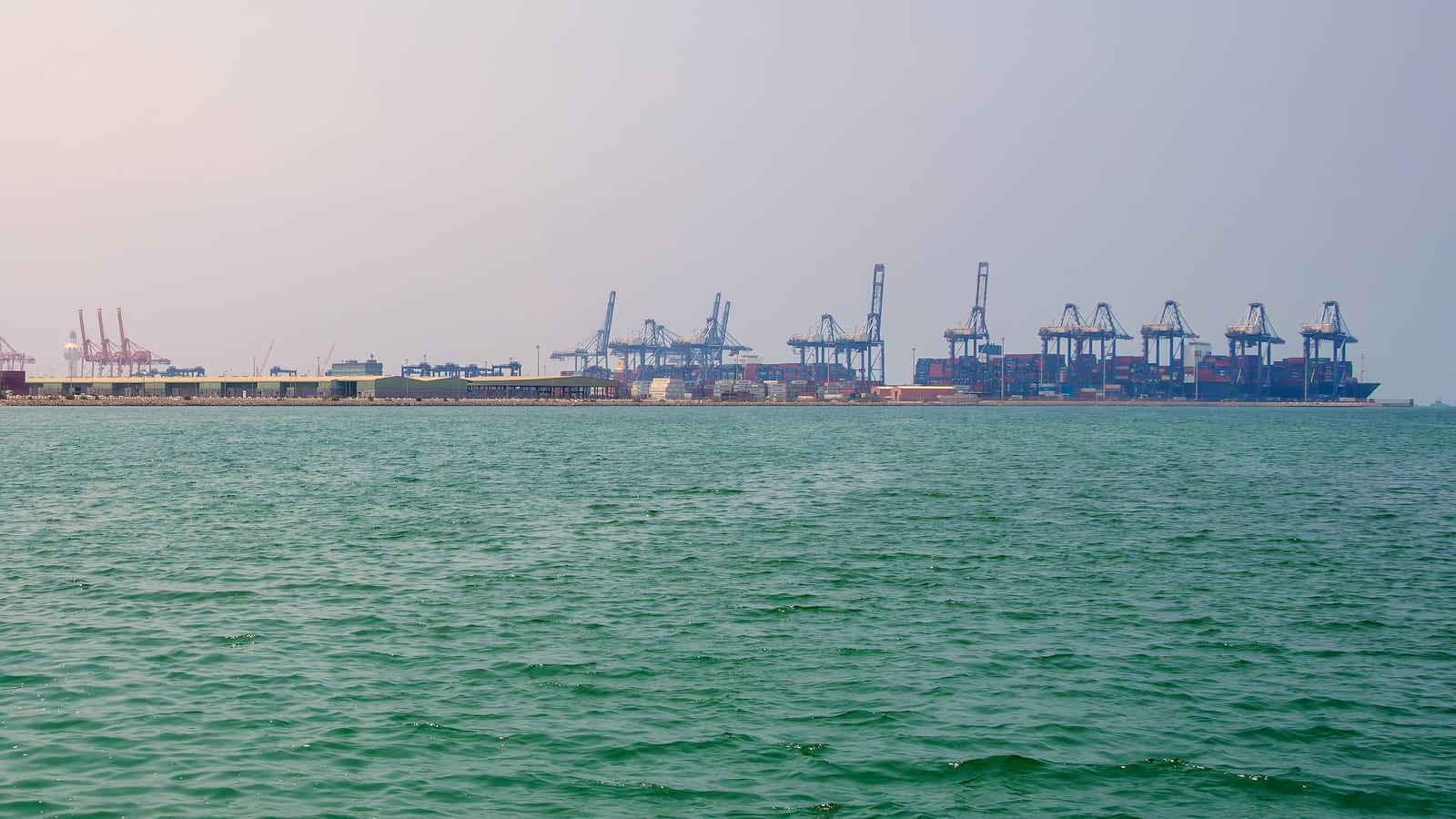
How to import equipment from China to Saudi Arabia: taxes, SABER certificates and documents
Saudi Arabia applies the Gulf Cooperation Council's integrated customs tariff, and computers and most other IT equipment come in duty-free. What takes planning is conformity: electrical and electronic products need a SABER certificate before shipment, laptops, desktop computers and displays are certified through national recognition of an IECEE certificate, and from 1 November 2026 new certificates for phones, tablets, routers and cellular and Wi‑Fi devices follow a new standard. Here is what a company in Saudi Arabia pays and prepares when it buys equipment from a Chinese factory — checked against official sources in October 2026.
Read →
How to import equipment from China to Mexico: taxes, NOM certificates and documents
Mexico has no free trade agreement with China, and since January 2026 goods from countries without one pay higher duties on 1,463 tariff lines — but computers, lithium-ion batteries, monitors and industrial robots are not among them. What takes planning is the NOM certificates checked at customs, the importers' register and the paperwork behind the customs value. Here is what a company in Mexico pays and prepares when it buys equipment from a Chinese factory — checked against official Mexican sources in October 2026.
Read →
UPS for a server room or a local AI computer: which type, which battery and what size
A local AI computer or a small server holds work that should not vanish in a power cut, and in many cities the grid also brings dips, surges and generator switchovers. An uninterruptible power supply (UPS) bridges the gap and lets the system shut down cleanly. Here is how to choose one — type, battery, size, local voltage and certificates — with prices checked in October 2026.
Read →
Battery storage for business: how to size it, what to check and what it costs
A battery cabinet next to a factory, a cold store or a hotel can cut the bill at peak hours, keep solar energy for the evening and keep critical equipment running when the grid fails. Whether it pays off depends on your tariff, your load and the details of the system. Here is how to choose one — with rules and cost benchmarks checked in October 2026.
Read →
Self-ordering kiosks for restaurants: how to choose one, connect payments and receipts, and what it costs
A self-ordering kiosk takes the order and the payment while the team cooks, and the screen can suggest extras with every order. But a kiosk is three systems in one box: the hardware, the ordering software, and a card terminal tied to your bank and your country's tax rules. Here is how to put them together — with rules and prices checked in October 2026.
Read →
Restaurant delivery robots: how to choose one, what it costs and what to check before buying
A delivery robot carries dishes from the kitchen to the table and brings dirty plates back, so waiters spend their time with guests. Models, prices and paperwork differ a lot. Here is what to check before buying one robot for a restaurant or a batch as a dealer — with list prices and rules checked in October 2026.
Read →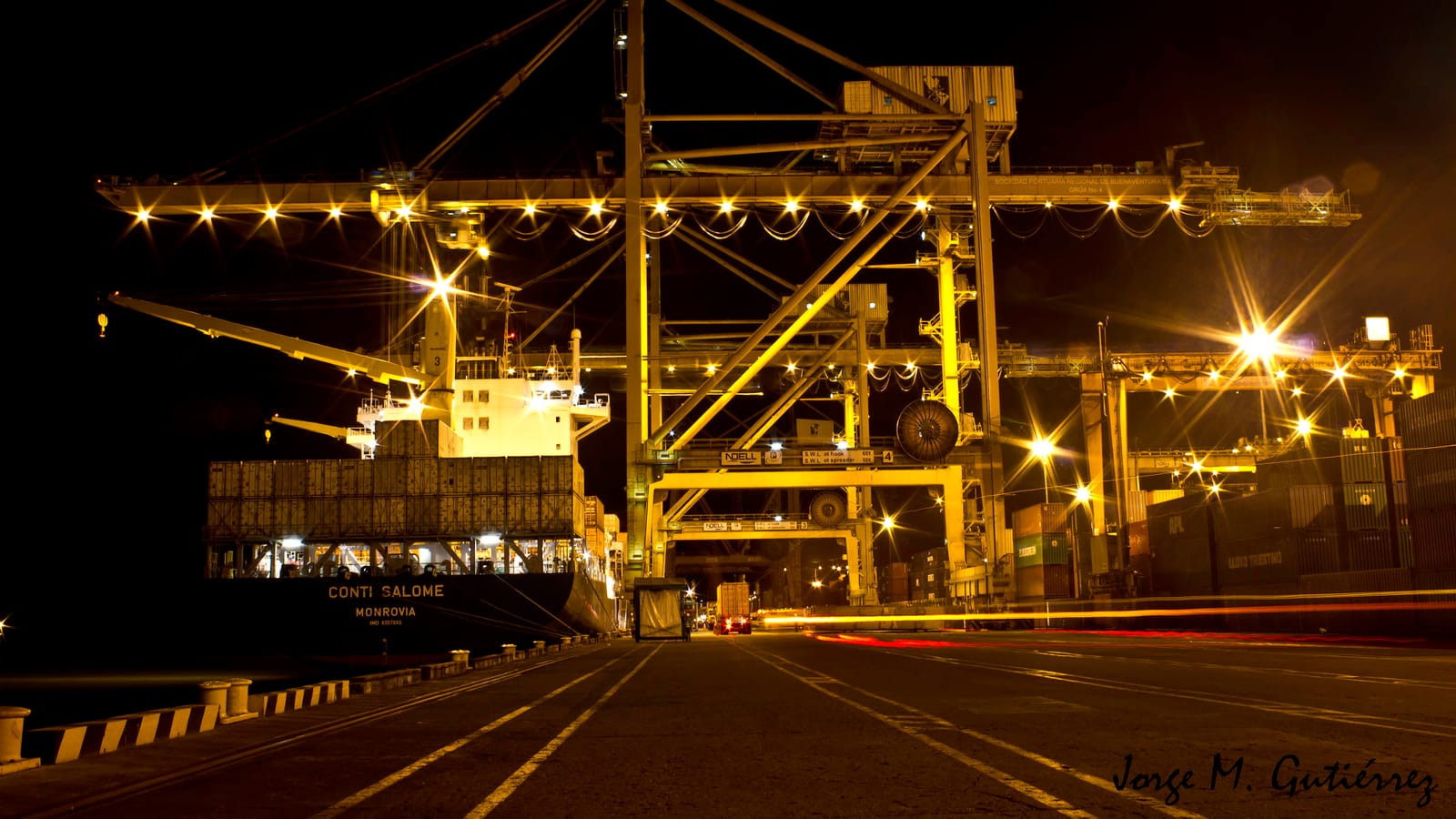
How to import equipment from China to Colombia: taxes, RETIE and documents
Colombia has no free trade agreement with China, so Chinese goods pay the general tariff — which is zero for computers. What takes planning is the technical regulation for batteries and inverters, the paperwork on customs value and paying the factory through the exchange market. Here is what a company in Colombia pays and prepares when it buys equipment from a Chinese factory — checked against official Colombian sources in October 2026.
Read →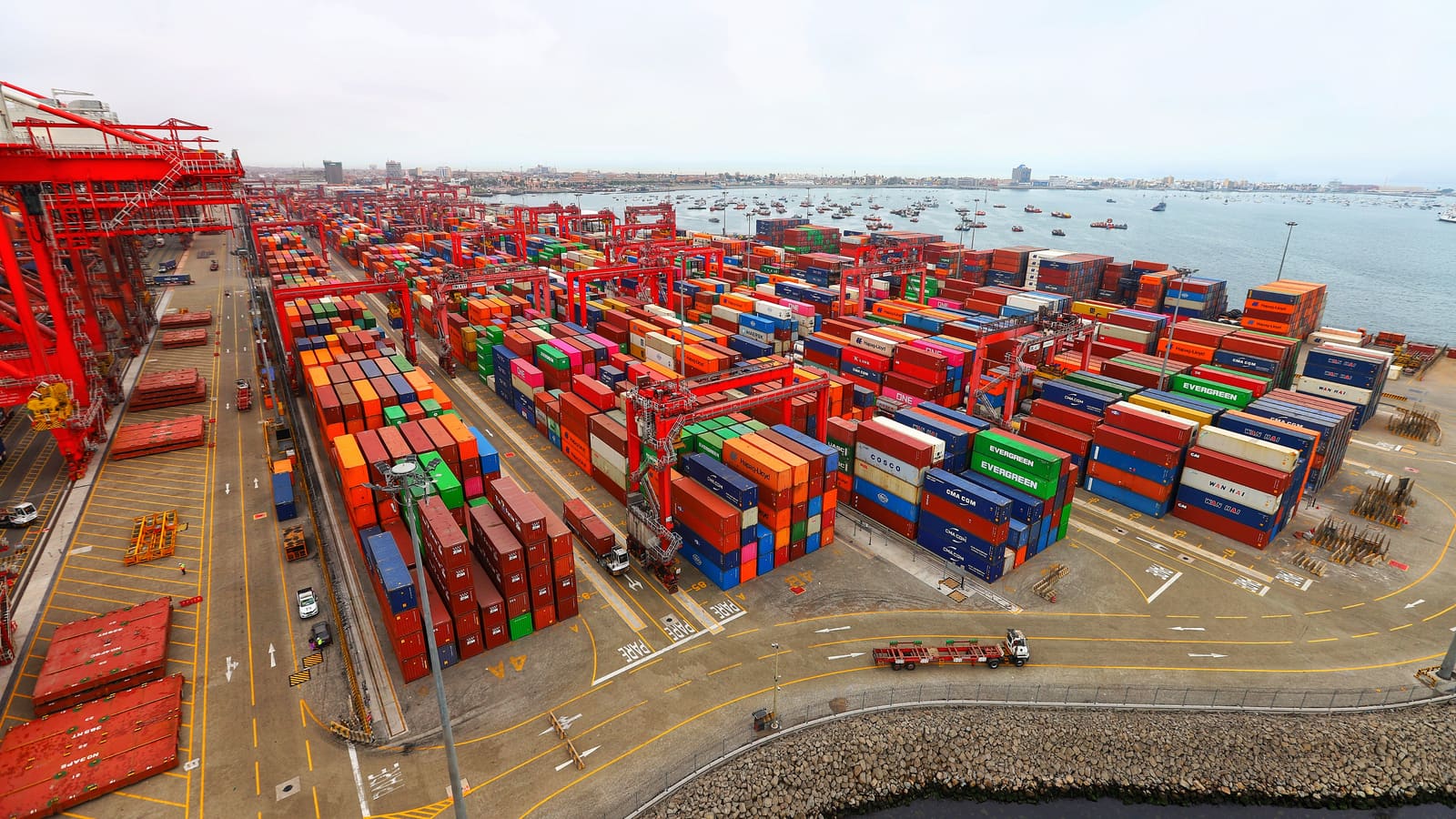
How to import equipment from China to Peru: taxes, MTC approval and documents
Peru has a free trade agreement with China, but the taxes at customs and the approval of wireless devices take planning. Here is what a company in Peru pays and prepares when it buys equipment from a Chinese factory — checked against official Peruvian sources in October 2026.
Read →
Local AI in the office: how to choose a computer for language models
More companies want AI assistants that work with their own documents without sending data to the cloud. The deciding factor is not the processor brand but memory — how much of it the model can use. Here is how to match the computer to the task.
Read →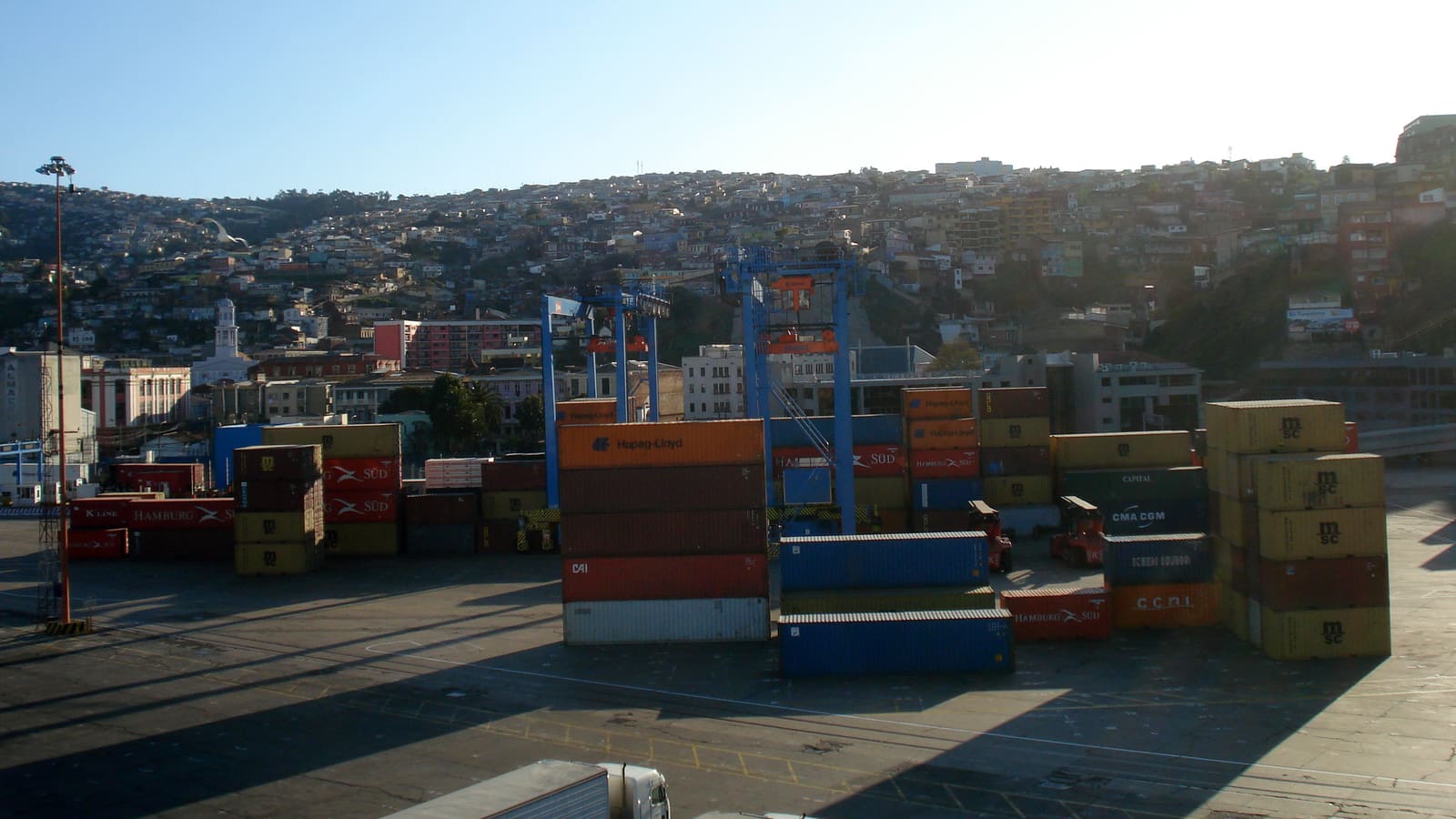
How to import equipment from China to Chile: duty, certification and documents
Chile is one of the easiest markets in Latin America to import into from China: a free trade agreement removes the duty on almost all goods. The real work is certification and paperwork. Here is what a company in Chile pays and prepares when it buys equipment from a Chinese factory — checked against official Chilean sources in October 2026.
Read →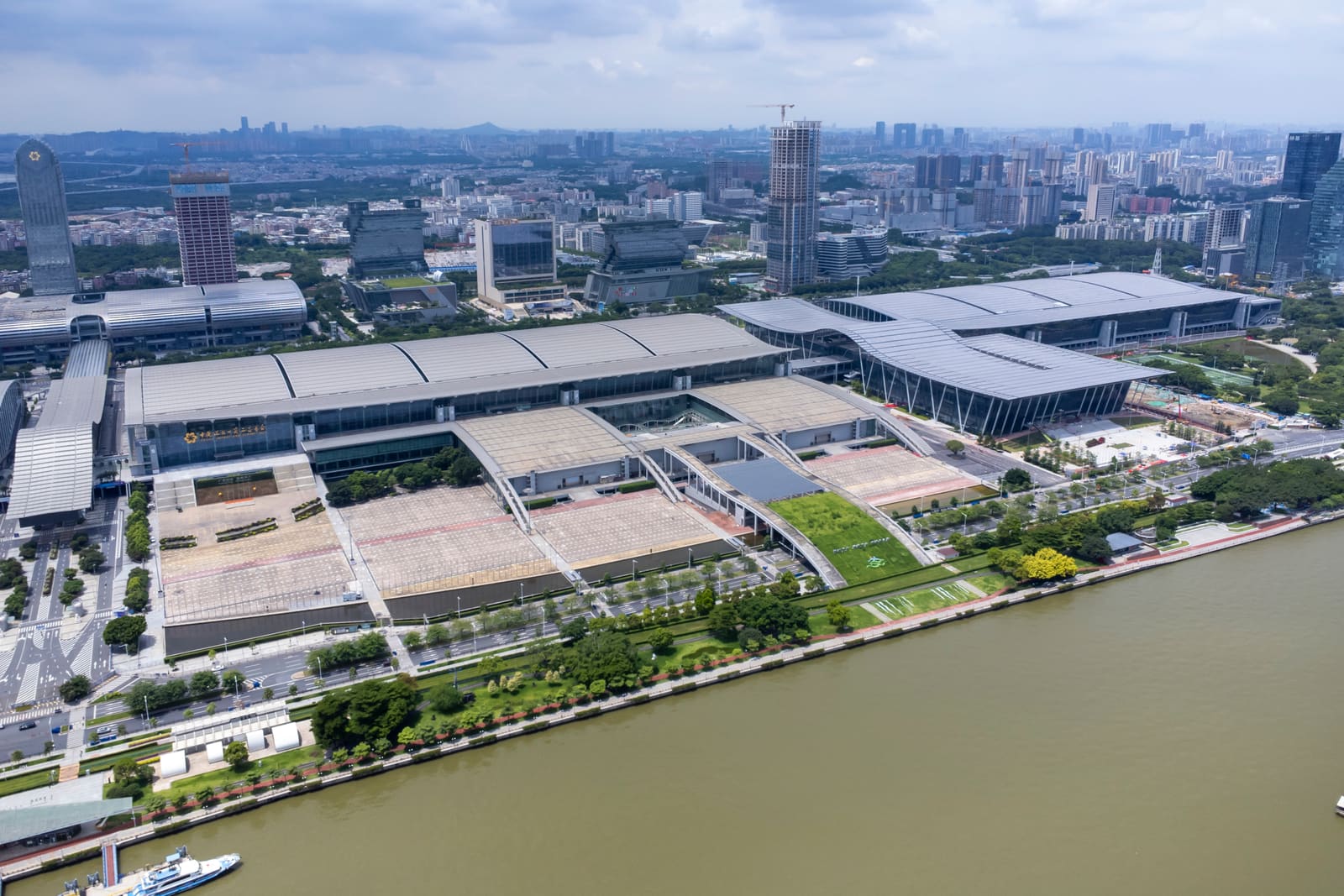
140th Canton Fair: what we shortlisted for our clients
On 18 October we spent the day at the 140th China Import and Export Fair in Guangzhou: 37 booths with robots, computers for local AI, kiosks and energy. We asked every booth the same questions — price for export, private label, certificates, warranty and service outside China. Here is what we learned and what it means if you buy from China.
Read →
Tell us what you need
We reply with a shortlist of suitable models and prices, usually within two business days.
Request a quote