
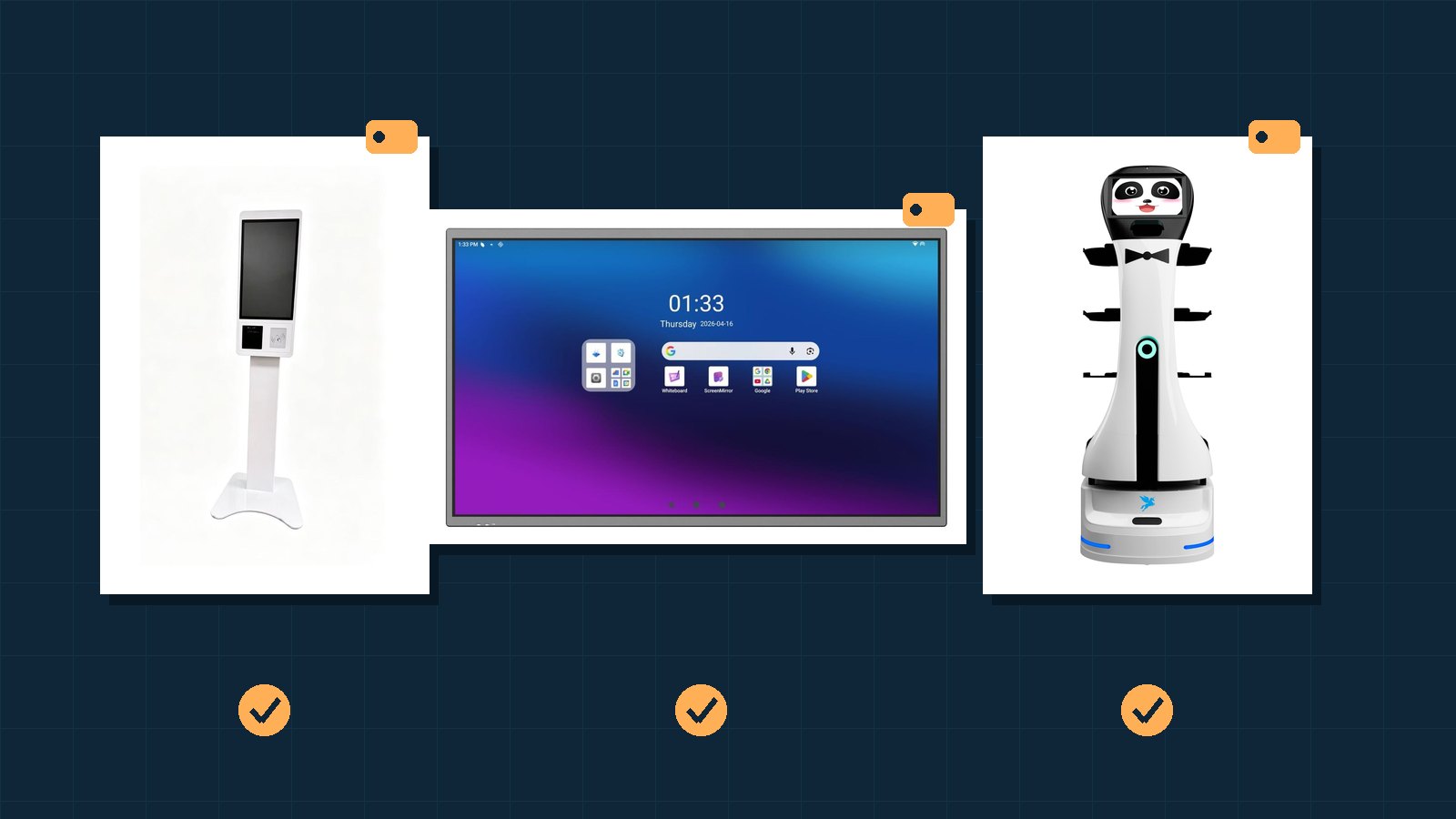
A sample that works on the factory's desk and then differs from the first production batch is one of the most expensive mistakes in importing from China. So is a sample stuck at customs, or a battery sample that the courier refuses to carry. Here is a checklist for avoiding all three when you order samples of robots, kiosks, interactive panels, mini PCs, inverters or batteries.
Where samples go wrong
Three stories repeat. The sample was hand-picked, with better components or newer firmware than the factory will use for the batch, and you notice only when the goods arrive. The parcel is held at customs because the value, the description or a missing approval does not fit the destination country's rules. Or a battery, or a device with a battery, is refused by the express carrier, and the factory ships it again at your cost.
All three can be prevented with paperwork done before you pay, not after. The steps below follow the order in which the problems appear.
Decide what the sample is for — and fix a golden sample
Decide first what you are testing: function, appearance, certification or the factory's quality level. The golden sample is the unit that you and the factory both sign off as the reference: production must match it, and any later change needs your written approval. Without a golden sample, "the same as the sample" means nothing in a dispute.
If the budget allows, order two units: one stays with you as the reference, the other goes to testing or to the installer.
What to ask the factory before you pay
Get the answers in writing, in one message, before you pay the proforma invoice: the exact model and hardware revision, not a product family; the firmware or software version on the unit, and whether production will ship the same version; confirmation that the sample uses the same key components as production — screen, board, processor, battery cells, enclosure — or a list of what differs; test reports and certificates for that exact model; photos of the packed unit before dispatch; and the commercial invoice details — description, tariff code and value.
The buyer normally pays for the sample and the express shipping. A factory that will not describe the unit in writing is a warning sign.
→ Incoterms® rules when buying from China: EXW, FCA, FOB or CIF — which to choose
Customs: a sample is an import
Do not assume that "it is only a sample". In most countries a sample with a commercial value is cleared like any other import: express shipments go through a simplified procedure up to a value limit, and above it a full import declaration applies, usually through a customs broker. In Peru, for example, up to US$2,000 FOB the importer can clear with a simplified declaration; above that the full declaration applies, usually filed by a licensed customs agent. Declare a realistic value: an understated invoice is a fast way to a held parcel.
Colombia has a dedicated import of samples without commercial value: goods up to US$5,000 FOB and no more than 10 units per tariff subheading, marked as samples or shown not to be for sale, for market studies, research, laboratory tests or obtaining control documents, with an import declaration; if the conditions are not met, the import is converted into an ordinary one, with interest and penalties. For each country, check the rules in our guides below before the factory ships.
→ How to import equipment from China to Chile: duty, certification and documents · How to import equipment from China to Peru: taxes, MTC approval and documents · How to import equipment from China to Colombia: taxes, RETIE and documents · How to import equipment from China to Ecuador: duty, IVA, ISD and certificates · How to import equipment from China to Mexico: taxes, NOM certificates and documents · How to import equipment from China to Brazil: taxes, ANATEL, INMETRO and the 2027 tax reform · How to import equipment from China to Argentina: taxes, paying the factory and certificates
Wi‑Fi, Bluetooth, 4G: approvals
Robots, kiosks, panels and mini PCs almost always contain a radio module. In Peru, almost any device that emits radio waves (very low-power transmitters aside) needs an MTC homologation certificate to be imported or sold; in Brazil, the ANATEL homologation code goes on the import declaration. Ask the factory for the radio test reports of the exact module, and ask your broker before shipping whether the sample needs an approval or a permit.
→ How to import equipment from China to Peru: taxes, MTC approval and documents · How to import equipment from China to Brazil: taxes, ANATEL, INMETRO and the 2027 tax reform
Lithium batteries: what stops a parcel
Batteries and devices with batteries travel as dangerous goods. The batteries must have passed the UN 38.3 tests, and the manufacturer must make the test summary available — the carrier or forwarder may ask for it. By air, lithium-ion batteries shipped on their own travel on cargo aircraft only, and those shipped on their own or packed with (not inside) equipment must as a rule be at no more than 30% state of charge.
Ask for the UN 38.3 summary of the exact battery before you pay, and check with the courier that it accepts the shipment from China.
→ 48 V LFP battery, 5–16 kWh · High-voltage battery stack, 10–42 kWh
The sample approval sheet
Before you sign off, compare the unit with the specification on one page: model and revision, firmware version, screen, processor and memory, battery cells and capacity, power ratings, ports, enclosure, labels, power supply and plug type for your country. Add a photo of each label and record test results with dates. Both sides sign, and the sheet is attached to the purchase contract as the reference for production.
Check the first batch against the sample
Take two or three units from the first batch and compare them with the golden sample line by line: firmware, labels and packaging first. If something differs, the signed sheet is what you point to.
→ Pre-shipment inspection in China: what to check before you pay the balance
How we help
We order samples from the factory for you, check the documents and the unit against your specification and report what we find; you pay for the sample and the express shipping. We work with orders from US$3,000.
The rules above were checked in November 2026 and can change; confirm them with your customs broker before the factory ships.